

How to Avoid Decision Fatigue During Your Renovation
Practical advice from an architect
One of the most common things I see with clients is decision fatigue, and it often begins much earlier than people expect.
For many, it starts as soon as they enter the “research stage” of their project, and it tends to peak just before, or right at the beginning of, starting on site.
Suddenly, there are dozens of decisions to make, all at once, often while balancing work, family life, and the pressure of wanting to get everything “right”.
The good news is that with a bit of structure, this part of the process can feel much more manageable and even enjoyable.

1. Understand the Scale of Client Decisions Early
Start by making a simple list of all the client decisions that will require your input.
This step is often overlooked, but it’s one of the most effective ways to reduce overwhelm. When everything is “in your head”, it feels endless. Once it’s written down, it becomes finite and manageable.
This will typically include:
Flooring
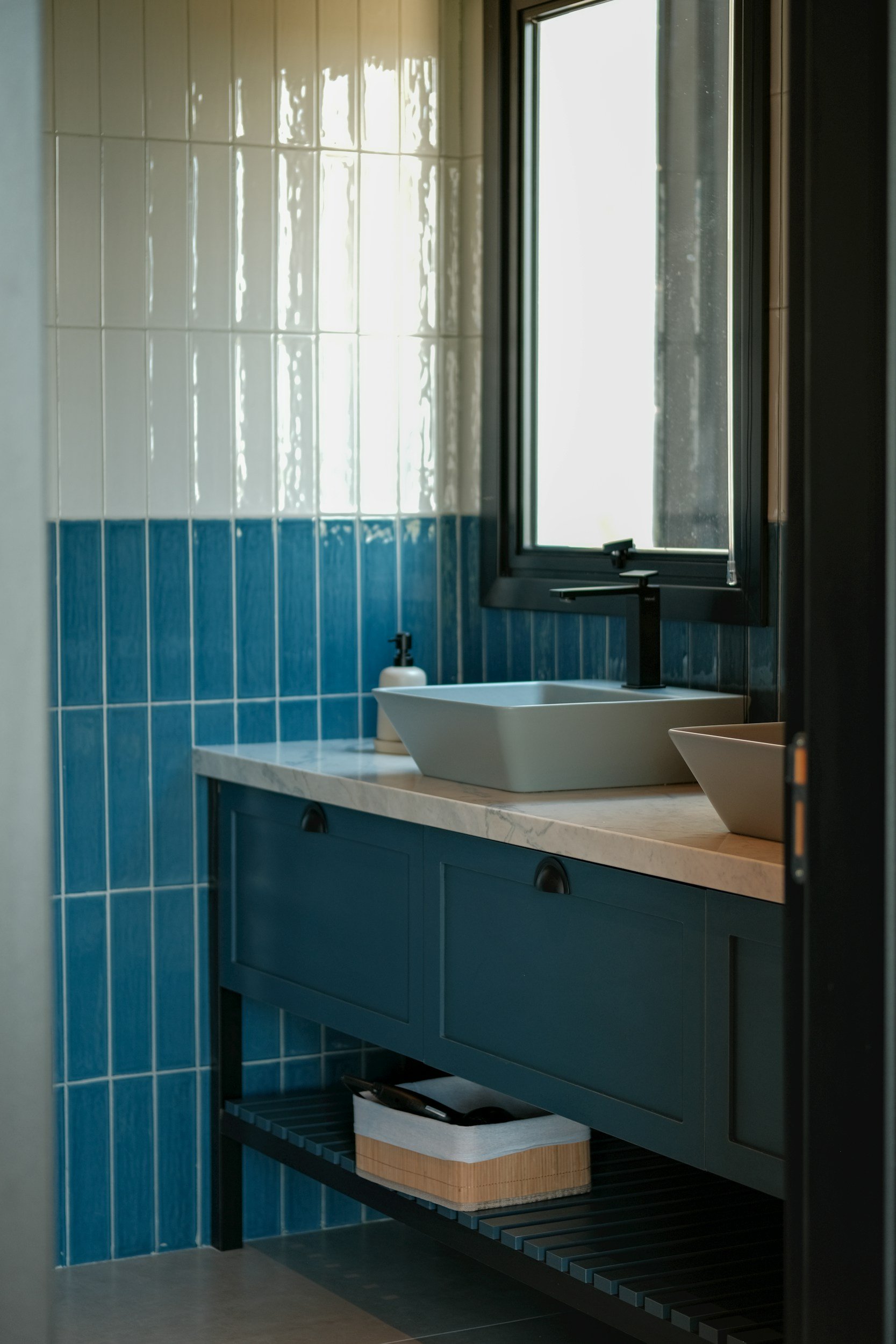
Sanitaryware
Windows and external doors (style, colour, opening direction)
Internal doors (style and finish)
Architraves and skirting
Kitchen design
Worktops
Paint colours
Seeing the full scope early allows you to plan ahead, prioritise decisions, and avoid last-minute pressure.
2. Break Everything Down Into Specific Items
Once you have your categories, break them down into the actual items you’ll need. This removes vagueness and replaces it with clarity, which is key to reducing fatigue.
For example:
Bathroom:
1 toilet
1 sink and tap (what finish?)
1 shower tray
1 shower head (hand held, integrated or wall mounted?)
1 toilet roll holder
3 towel hooks
X sqm of floor tiles
X sqm of wall tiles
1 wall light
Internal doors:
3 solid doors
1 frosted glass door
1 clear glass door
Brass handles downstairs
Brushed aluminium upstairs
2 thumb-turn locks for bathrooms
When you know exactly what you need, decisions become smaller, quicker, and far less overwhelming.

3. Choose a Clear Design Direction
Most clients begin with inspiration images, often starting with the kitchen.
While this is a great starting point, it’s important to ground those ideas in reality. Every home has its own constraints, whether that’s ceiling height, layout, or budget.
For example:
Ceiling heights can affect proportions
Standard unit sizes may influence layout
Worktop choices can significantly impact cost
Rather than collecting endless inspiration, choose one or two key images per space that reflect the overall look you want to achieve.
These become your guiding reference, helping you stay consistent and avoid overthinking every decision.
4. Visit Showrooms Early (and Be Prepared)
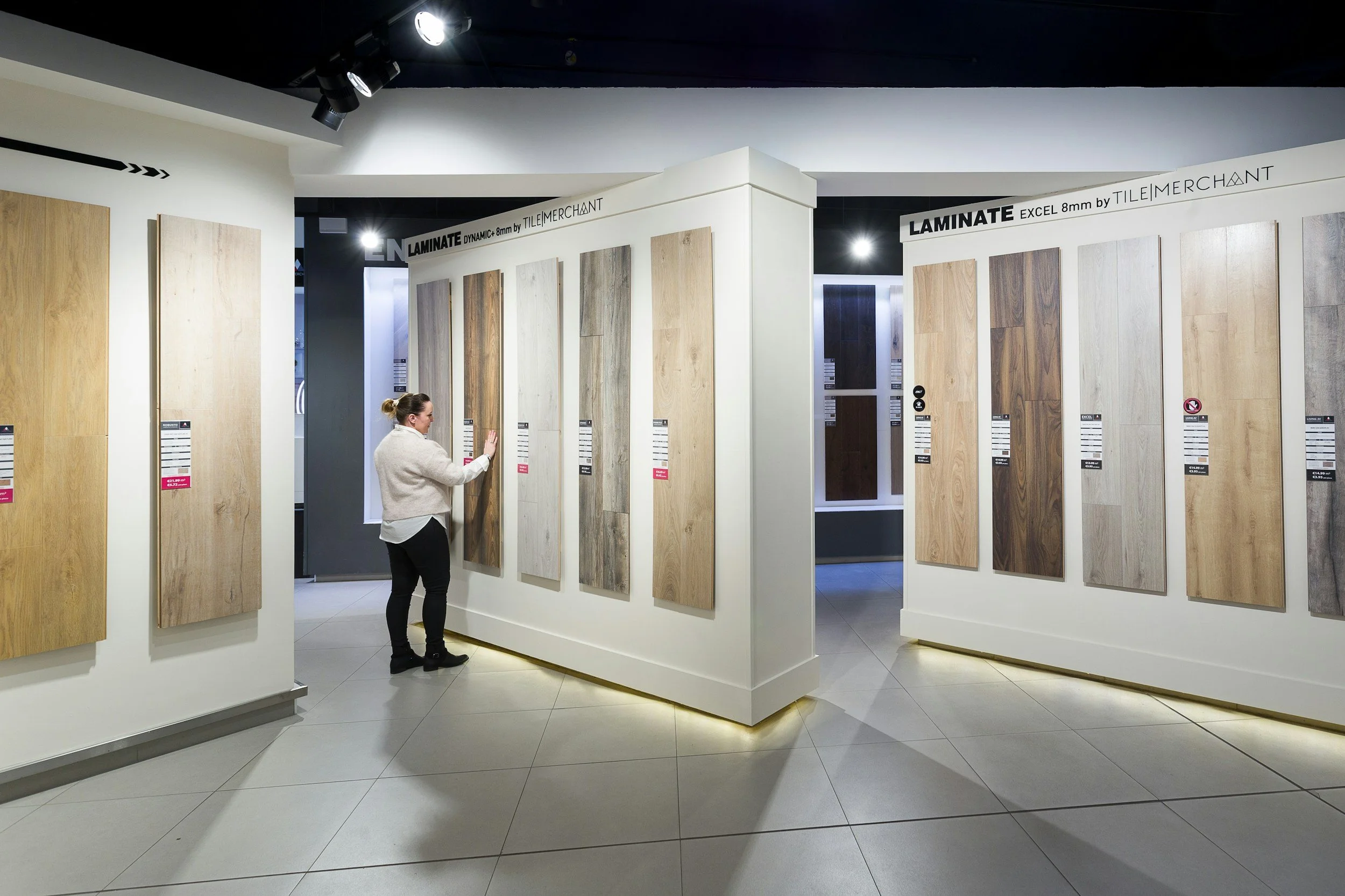
Visiting showrooms early, even before final decisions are needed, is incredibly helpful.
It allows you to:
See materials, windows, items in real life
Understand scale and finishes
Get a feel for what you’re naturally drawn to
Take photos, make notes, and don’t feel pressure to decide on the day.
Over time, you’ll begin to notice patterns in your preferences, which makes final decisions much easier.
And a practical tip: these visits can take longer than expected, so bring snacks and give yourself time.

5. Don’t Try to Decide Everything at Once
One of the biggest contributors to decision fatigue is trying to tackle everything in one go.
Instead, break the process into manageable chunks:
Focus on one or two categories at a time
Set aside specific time to make decisions
Step away when you feel overwhelmed
This approach keeps your energy focused and prevents burnout.
Consistency over time is far more effective than trying to rush everything at once.

6. Make Decisions Early — Not Under Pressure
Decisions made under pressure are rarely the best ones.
Where possible, aim to:
Make key selections before they are urgently needed on site
Avoid last-minute compromises
Give yourself time to compare options properly
This is particularly important for items with longer lead times, such as windows, kitchens, or bespoke joinery.
A calm decision-making process leads to a much better overall result.

7. Keep a Record of Your Decisions (and Why You Made Them)
Keep all your decisions in one consistent place, that you can access easily while out and about. This could be:
A notebook
A notes app
A shared digital folder
More importantly, note why you made each decision.
This might be:
Budget
Practicality
Aesthetic preference
How it works with the overall design
When you revisit decisions later, this context helps you stay confident and avoids unnecessary second-guessing.
8. Once You Decide, Move On
It’s very easy to keep looking, especially with the constant stream of ideas online. But too much exposure to new options can undo good decisions.
Once something is chosen:
Trust your decision
Avoid revisiting it unless necessary
Stay focused on the bigger picture
A cohesive design is built on consistency, not constant change.
9. Stay Organised With Communication
Good organisation reduces stress more than anything else. Set up simple systems:
A folder for builder correspondence
A folder for quotes and sourcing
A folder for design decisions
This means:
You can find information quickly
You avoid repeating conversations
You stay in control of the process
Even small organisational habits make a big difference over time.

10. Communicate Clearly With Your Team
Once decisions are made, clear communication is essential.
Make sure all selections are:
Shared with your builder
Confirmed with your architect
Documented where needed
This helps avoid:
Delays on site
Incorrect installations
Costly changes later on
Think of communication as the bridge between your decisions and the final result.
A Final Thought
Renovating your home should feel exciting — not overwhelming.
Decision fatigue is completely normal, but with the right structure, you can move through the process with clarity and confidence.
Take it step by step, trust your decisions, and remember — you don’t have to do everything at once.